Beyond Nostalgia: Why Fireflies Need—and Deserve—Your Protection
Published: July 24, 2025
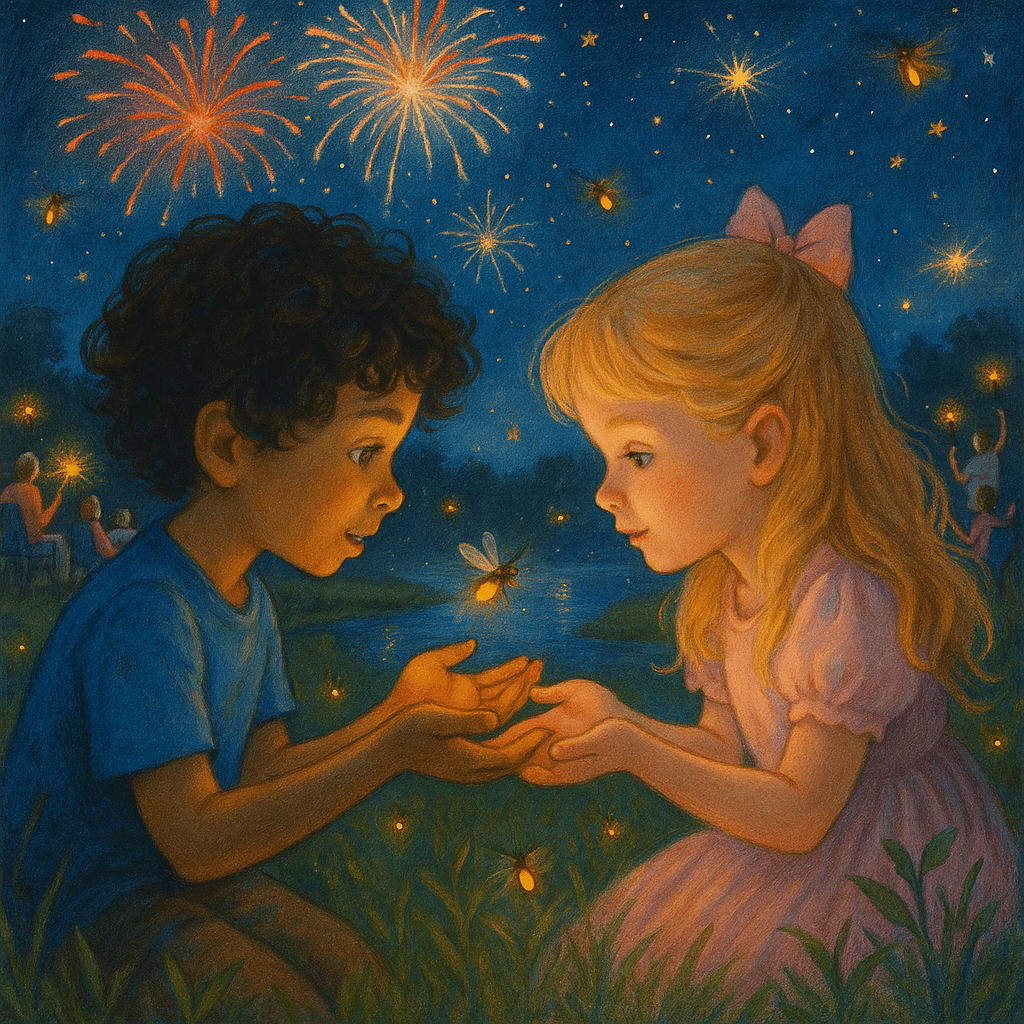
The twinkling dance that turns summer nights into magical memories.
That’s how so many of us remember fireflies, tiny lanterns drifting through humid, sweet-scented air. One moment you’re watching from the porch; the next, you’re barefoot in the cool grass, chasing them with cupped hands and breathless joy.
They are the heartbeat of early summer nights; their twinkle pulsing rhythmically between sparklers and fireworks, entrancing us with a free, expertly choreographed magical light show.
But what if their light holds even more magic than meets the eye?
More Than Just a Fairytale Glow
Though beloved for it, fireflies aren’t just famous for their magic in motion.
They’re stealthy ecological powerhouses.
Their larvae feast on garden pests like slugs and snails, offering natural pest control without the need for harsh chemicals.
And in a twist only nature could dream up, the very enzyme that makes them glow, luciferase, has become a key tool in medical research. It’s used in cancer detection, gene expression studies, and even rapid diagnostic testing.
They’re also environmental sentinels; a canary in the coal mine. Fireflies are deeply sensitive to changes in habitat, light, and pollution. Their presence is a pulse check on local ecosystems; when they disappear, it’s often a sign the land is under stress.
A Dimming Legacy
Sadly, firefly populations are in steep decline.
A major 2020 review in BioScience pointed to habitat loss, pesticide use, and especially light pollution as the most pressing threats.
Even soft garden lights or a porch bulb can disorient their carefully choreographed courtship rituals and disrupt seasonal dormancy cycles.
Their decline is quiet, but signals serious ecological alarm.
A Small Act of Stewardship
This summer, my 6-year-old son reminded me that stewardship is a choice, even among the flashiest of distractions, it is still possible.
We were at a quintessential 4th of July celebration, sparklers, LED swords, and pyrotechnics galore. In the midst of all that electric joy, he noticed a little girl holding a firefly in her palm. She hadn’t meant to hurt it, she was just curious, mesmerized by its glow.
He quietly approached her and gently asked if she’d please let it go.
And she did.
Together, they watched it rise into the night, fragile and free.
That small, quiet moment of reverence punctuated the loud and flashy events of the evening, and felt more powerful than any fireworks I’ve ever seen.
We don’t need to wait for the perfect time to become stewards.
The time is now.
How You Can Help Fireflies Shine On
🌱 Avoid pesticides in gardens and yards
💡 Turn off or dim outdoor lights, especially during firefly season
🌳 Preserve natural areas like damp forests, wetlands, and tall grasses
🧹 Leave some leaf litter, it’s where firefly larvae thrive
🐾 Mow less frequently at dusk, when fireflies are most active
📚 Teach children to admire, not capture
Their Glow Is Fleeting, But Their Impact Is Not
Let’s not be the generation that remembers fireflies only as a story we tell—
but the one that protected the magic, so our children’s children can make memories of their own.
Original Research: Lewis SM, Wong CH, et al. A Global Perspective on Firefly Extinction Threats. BioScience. Available here. Accessed July 23, 2025.

Amber Cabrejos, RN-BSN, MPH
Senior Medical Writing Consultant
Executive Writing Services
contact@executivewritingrn.com | www.executivewritingrn.com
Amber specializes in translating complex science into clear, impactful communication for healthcare leaders, researchers, and policy experts. As a Registered Nurse with a background in epidemiology and clinical writing, her work bridges scientific rigor and narrative clarity.
Considering a communications strategy that builds credibility without compromising nuance?
Let’s connect:
contact@executivewritingrn.com

 executivewritingrn.com